

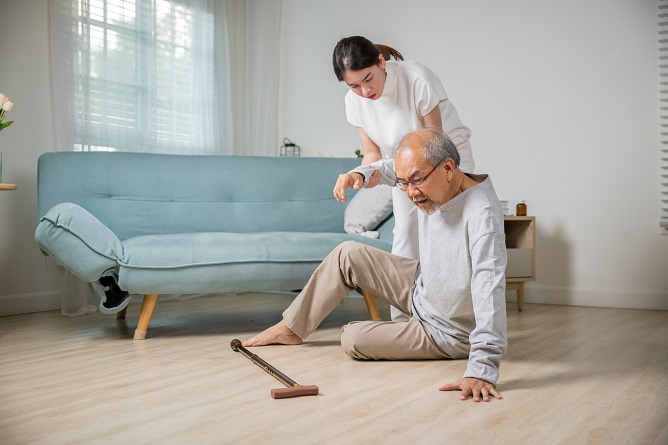
A simple trip on a loose rug. A dark hallway on the way to the bathroom. A pair of shoes left near the stairs. For many families, fall risks at home are easy to miss until a loved one has a close call. When an aging parent wants to stay independent, families often focus on meals, medications, appointments, and companionship. Those things matter, but home safety deserves the same attention.
Falls can change daily life quickly. They may lead to pain, fear, hospital visits, or a loss of confidence. Even when an injury is minor, an older adult may begin moving less because they are afraid it will happen again. That can affect strength, balance, and independence over time.
The good news is that many fall risks can be reduced with practical changes. Families do not have to redesign the entire home at once. Small updates, regular check-ins, and the right support can make the home safer and easier to move through. Maurina Homecare Agency helps families approach
- Start With a Walk-Through of the Home
The best place to begin is by walking through the home as if you are seeing it for the first time. Look at each room from your loved one’s point of view. Is the path clear? Are items easy to reach? Is there enough light? Does anything feel unstable?
Try walking the same routes your parent uses every day. This may include the paths from the bedroom to the bathroom, from the kitchen to the dining area, from the living room to the front door, and from the hallway to the laundry room. Pay special attention to areas where your loved one turns, bends, reaches, or steps over something.
A helpful senior safety checklist should include:
- Clear walkways with no loose cords, shoes, bags, or clutter
- Rugs that are secured or removed if they slide or curl
- Bright lighting in halls, bedrooms, bathrooms, and entryways
- Sturdy furniture that does not move when used for support
- Frequently used items placed within easy reach
Families in Kennesaw, Marietta, Dallas, Acworth, Powder Springs, Cobb County, Paulding County, and Cherokee County can benefit from reviewing home safety before a fall happens, especially when an aging parent lives alone or has recently returned home from the hospital.
- Make the Bathroom Safer
The bathroom is one of the most common areas where falls happen because surfaces can become wet and slippery. It is also a place where seniors often move from sitting to standing, stepping in and out of the shower, or reaching for towels and toiletries.
Start with the basics. Use non-slip mats inside and outside the shower or tub. Install grab bars near the toilet and bathing area. Avoid relying on towel racks for balance, as they are not designed to support body weight. A shower chair can also help older adults bathe while seated, reducing fatigue and improving stability.
Families should also check whether the toilet height is comfortable. A raised toilet seat may help seniors with knee pain, hip weakness, or difficulty standing up. Keep soap, shampoo, towels, and clothing within easy reach so your loved one does not need to stretch or bend too far.
If bathroom routines are becoming stressful or unsafe, professional home care can provide respectful assistance with personal care. This kind of support can help seniors maintain dignity while reducing the risk of rushing, slipping, or standing without help.
- Improve Lighting Throughout the Home
Poor lighting can make even a familiar home feel unsafe. Shadows, dim corners, and dark stairways can make it harder for seniors to notice obstacles or changes in flooring. Good lighting is especially important at night, when many falls happen during trips to the bathroom or kitchen.
Place night lights in the bedroom, hallway, and bathroom. Make sure lamps are easy to reach from the bed and favorite chairs. Light switches should be accessible near room entrances. If a senior has trouble reaching switches, motion-sensor lights may help.
Outdoor lighting matters too. Porches, driveways, garages, and walkways should be well-lit so that steps, uneven surfaces, and wet areas are visible. This is especially important when family members visit in the evening or when caregivers arrive early in the morning.
When families are unsure where to start, a home care team can observe daily routines and identify areas where safety support may be helpful.
- Check Stairs, Floors, and Entryways
Stairs can be challenging for older adults with balance concerns, vision changes, arthritis, or muscle weakness. Every stairway should have secure handrails. If possible, handrails on both sides offer better support. Steps should be free of objects, loose carpet, and uneven edges.
Flooring also deserves attention. Loose rugs, slippery floors, and uneven transitions between rooms can create tripping hazards. If rugs are important to your loved one, use non-slip backing or secure them properly. Keep cords against walls and avoid running them across walkways.
Entryways should be clear and easy to use. Make sure there is a stable place to sit while putting on shoes. Shoes should fit well and have non-slip soles. Slippers that slide off easily may increase fall risk, even if they feel comfortable.
These changes may seem simple, but they can make daily movement safer and less tiring.
- Support Safe Movement and Daily Routines
Fall prevention is not only about the home environment. It is also about how a senior moves through the day. Fatigue, rushing, dizziness, medication effects, and muscle weakness can all affect safety.
Encourage your loved one to stand up slowly after sitting or lying down. Keep walking aids, glasses, hearing aids, and phones nearby. If a doctor has recommended a cane or walker, make sure it is used properly and not left in another room.
Daily routines should also be realistic. If your parent becomes tired after bathing, cooking, or doing laundry, those tasks may need to be adjusted. A caregiver can help with light housekeeping, meal preparation, mobility support, and personal care so the senior does not feel pressured to do everything alone.
RN-supervised care can also add another layer of confidence. With professional oversight, families can feel more assured that care plans are guided by trained attention to safety, health changes, and daily needs.
- Watch for Warning Signs That Extra Help Is Needed
Sometimes, fall risk builds slowly. Families may notice small changes before a serious fall happens. These signs should not be ignored.
Your loved one may need more support if you notice:
- Holding onto walls or furniture while walking
- New bruises, scratches, or unexplained soreness
- Fear of bathing, using stairs, or going outside
- Missed meals or skipped tasks because moving feels difficult
- Recent hospital visits, surgery, illness, or medication changes
Aging parents may not always mention these concerns because they do not want to worry their family or lose independence. Approach the conversation gently. Instead of saying, “You cannot do this alone anymore,” try saying, “I want to make the house safer so you can keep doing the things you enjoy.”
That shift can make the conversation feel supportive rather than controlling.
- How Home Care Helps Reduce Fall Risks
Home care can play an important role in fall prevention because caregivers see the day-to-day patterns that families may miss. They can help seniors move safely, keep pathways clear, prepare meals, provide reminders, and assist with personal care. They can also offer companionship, which may reduce the need for seniors to rush through tasks alone.
For families juggling work, caregiving, and household responsibilities, professional caregiver support can bring relief. It does not have to replace family involvement. Instead, it can strengthen the care plan and help everyone feel more supported.
Maurina Homecare Agency works with families who want practical, compassionate care that supports safety at home. For aging adults in Marietta, Kennesaw, Acworth, Dallas, Powder Springs, Cobb County, Paulding County, and nearby areas, home care can help turn safety concerns into a clear plan of action.
- Frequently Asked Questions
- How quickly can home care start?
The start time can depend on the level of care needed, caregiver availability, and the family’s schedule. A care assessment is usually the best first step because it helps identify safety concerns, daily needs, and the right type of support.
- What services can help prevent falls at home?
Helpful services may include mobility assistance, personal care, light housekeeping, meal preparation, medication reminders, companionship, and support with safe daily routines. RN-supervised care can also help guide the care plan.
- Does a senior need home care after one fall?
Not always, but one fall is a good reason to review home safety. If your loved one has fallen more than once, feels unsteady, avoids daily tasks, or has recently been hospitalized, extra support may be helpful.
- Can home care help after surgery or a hospital stay?
Yes. Many seniors are weaker or more tired after surgery, illness, or hospitalization. Home care can support safer movement, personal care, meals, and daily routines while the senior regains strength.
- How do families know when fall risks are serious?
Fall risks may be serious when a senior struggles with stairs, uses furniture for balance, forgets to use a walker, has poor lighting at home, or avoids bathing and walking because of fear. A professional assessment can help families understand what support is needed.
- How quickly can home care start?
A safer home can help your loved one feel more confident and give your family more peace of mind. If you are noticing fall risks, close calls, or changes in your parent’s daily routine, reach out to us today to schedule a thoughtful care conversation and learn how RN-supervised home care can help protect comfort, safety, and independence at home.
Disclaimer
Blogs, content and other media uploaded online are for informational purposes only. Contents on this website should not be considered medical advice. Readers are strongly encouraged to visit their physician for health-related issues.
Leave a Reply